Gender Equality
Prevention is Possible with Dr. Emma Fulu

As an organisation dedicated to preventing violence against women and girls, and one that has the privilege of working alongside researchers, advocates and practitioners around the world, we wanted to create a space to amplify the voices of those who are driving this work forward.
Through Prevention is Possible, our new interview series, we speak with leaders across the global prevention movement to explore the current landscape and how we can work together to end violence against women and girls.
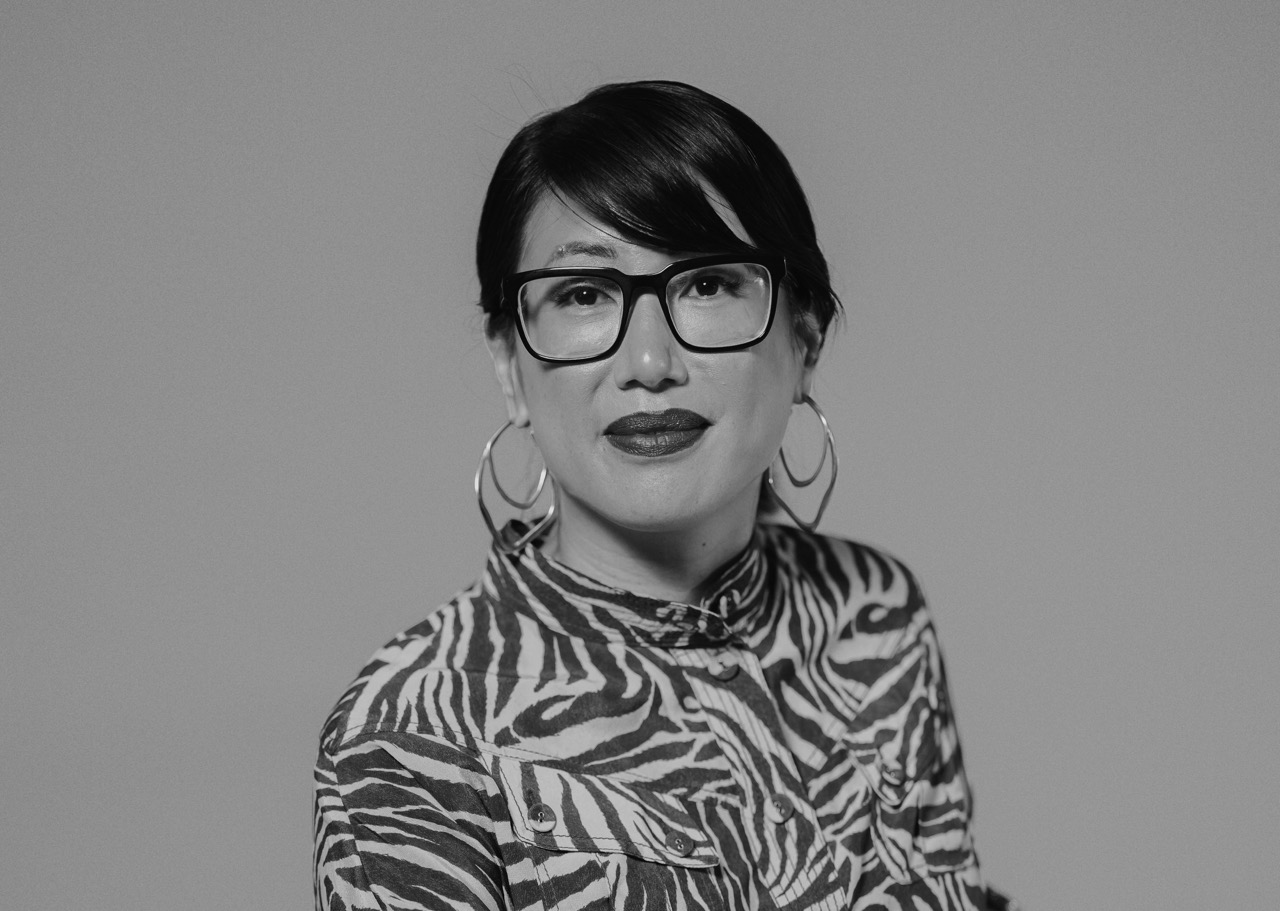
For our second interview in the series, we chat with Sohini Bhattacharya.
Sohini has worked in the social development sector for over thirty years, with almost half of that time spent at global Breakthrough, working on gender norms & youth leadership, where she served as CEO for eight years. She now works as a senior advisor on the Accelerator on Shifting Gender Norms through Education.
EQI: Sohini, can you share with us what led you to work in gender-based violence prevention?
SOHINI: A belief from childhood – that the privilege of being open with my voice has to be shared so that more voiceless people can articulate what they feel and need. Also, the values of equity, equality and sharing our parents embedded in us,and the feminist thoughts and literature shared by our academicians in college, which helped build my political opinion on women’s rights and freedom. All of these have contributed to the development of my opinions that found a channel in my work on gender-based violence (GBV).
Growing up in India, even if you are not facing or seeing violence at home, it is all around you – from catcalls to other forms of sexual harassment in public spaces. You are aware that something is not right from a very young age. It makes it easy to understand how gender-based violence cuts through class, caste, economies, and geographies.
EQI: What do you see as the major challenges to GBV prevention in 2026?
SOHINI: I see some key areas of challenge to this persistent, systemic problem.
Firstly, global aid for GBV prevention has plummeted, leaving Women’s Rights Organisations (WROs) unable to sustain services. Short-term, fragmented funding exacerbates this, as [recent analyses suggest] 40% of GBV-focused groups scale back critical survivor support.
A focus on scaleable ideas and ideas that must have short term impact curtails philanthropic capital to WROs, as scalability of GBV-prevention work is dependent on funds thus creating a vicious loop of chronic underfunding-leading to inability to scale – leading to attracting less money.
Civic space for WROs is contracting amid political backlash, limiting advocacy and frontline responses to GBV. Repression, censorship, and exclusion from policy processes hinder WROs’ ability to push for accountability and enforcement. This is compounded by anti-gender narratives that dilute commitments in multilateral forums.
A wide gap exists between policy rhetoric and reality, with weak enforcement mechanisms and siloed efforts across institutions stalling progress. Outdated laws, slow judicial processes, and gender-blind law enforcement fail survivors, especially in regions like India. In conflict zones, insecurity and stigma prevent reporting, while global trends like restrictive legislation block protective measures.
Finally, technology-facilitated GBV (TFGBV), including AI-driven deepfakes and online harassment, is surging but lacks platform accountability and resourced responses. Intersecting crises — conflict, displacement, climate change, and economic desperation — accelerate harms like child marriage and trafficking, hitting vulnerable groups like poor women with disabilities hardest. Humanitarian emergencies further strain underfunded systems.
EQI: How does this compare to when you first began working in the sector?
SOHINI: Thirty-five years ago when I started working in the sector, the core problem — patriarchal power and impunity — was similar, but the landscape was far less explicit about GBV, had weaker laws, and almost no global accountability; in 2026 you face more recognition but also more complex, politicised and digitalised challenges.
Then, violence against women was still widely framed as a private or domestic matter, not a human rights violation. The United Nations only formally framed violence against women as discrimination and a human rights concern in the Convention on the Elimination of All Forms of Discrimination against Women (CEDAW) General Recommendation 19 in 1992, after years of advocacy.
When I began, services were often small, feminist, volunteer‑heavy collectives — rape crisis centers, shelters, consciousness‑raising groups — scraping together local or project grants. In 1989, dominant public focus was on domestic violence and rape, with growing but still localised mobilisation e.g., Take Back the Night marches and early anti‑rape coalitions. Violence in conflict was just coming into focus. LGBTQI+ issues will take another five to seven years to become part of the dialogue, at least in South Asia.
Today, GBV is widely codified in international norms and national policies, but the term itself is more contested and politicised e.g., anti‑gender backlash, attacks on gender ideology, and while there are more laws and more countries having better legal processes on GBV, the contemporary challenge is poor implementation, under-enforcement, survivor‑unfriendly systems, and backlash that hollows out or underfunds existing laws.
The sector has professionalised and institutionalised: more NGOs, UN programs, and large-scale donor-funded projects, with GBV integrated into development, humanitarian, and health agendas in many cases. But in 2026, paradoxically, (Womens Rights Organisations) WROs are again facing acute funding precarity — only a tiny share of aid goes to GBV, and very few grassroots groups report secure multi‑year funding, even as expectations and mandates have expanded.
Decades back, organising against GBV was pushing into public consciousness, and there was toleration, if not support, that grew and grew — until the last three or four years, when public support has started shrinking in many countries, with increasing surveillance, restrictions on NGOs, and explicit anti‑feminist and anti‑LGBTQI+ campaigns.
The current challenge is not just persuading decision‑makers to act, but defending already‑won gains from erosion and navigating open political hostility to gender equality agendas.
In short, when I started, the struggle was to make violence visible and name it as a public, political issue; in 2026, the struggle is to implement and finance what has been won, confront digital and crisis‑driven forms of violence, and resist organised backlash that aims to roll back the gains our generation and the generation before us helped secure.
EQI: Do you see these challenges as being a matter of approach, or a matter of lack of funding?
SOHINI: They are both, but in 2026 funding and power are so tightly intertwined that you cannot really separate approach from money. We now have a solid evidence base on what works to prevent GBV. Evaluations and syntheses show these approaches can consistently reduce violence when they are implemented with fidelity, intensity, and over sufficient time. So, the main problem is usually not that we are using the wrong prevention models, but that they are undercut by short timeframes, tiny coverage, and constant disruption. Global analyses of GBV prevention financing conclude that the field is missing resources to implement at scale, and highlight that short‑term, low, and siloed funding is, itself, a major barrier.
Without core, flexible, multi‑year funding, organisations are pushed into fragmented projects, cannot retain staff or legal expertise, and have little capacity to resist legal rollbacks or organise sustained political advocacy. When funding is constrained this way, organisations are forced into defensive work, leaving less time and energy for proactive agenda‑setting or creative approaches.
Donor approaches are also part of the problem/solution: siloed GBV budgets and projectised funding weaken prevention, whereas small shifts, like adding 0.1% of health/education budgets to GBV prevention, could transform reach if paired with trust‑based, long‑term grants.
EQI: What is working well to prevent GBV, and what would you like to see more of a focus on in the future?
SOHINI: Things that are working well?
Intensive community norm‑change programs e.g., SASA!‑type models or Breakthrough’s gender equity curriculum combining group education with wider community activism, implemented with quality and intensity. School‑based programs that build relationship skills, challenge gender norms, and teach consent are effective at reducing dating and sexual violence and changing attitudes among adolescents. Economic plus social empowerment reduces partner violence by easing economic stress and shifting power relations, including among pregnant and lactating women in low‑resource settings. Parenting and early‑childhood interventions that teach non‑violent discipline and more equitable gender norms can reduce child maltreatment and potentially interrupt intergenerational cycles of GBV. And multisectoral frameworks like RESPECT can give governments a clear, evidence‑based menu to inform national action plans.
What needs more focus? If you combine what is already working with long‑term public financing, stronger systems, and a sharper focus on norms and digital spaces, prevention can move from scattered projects to a sustained, population‑level reduction in GBV.
Most “what works” programs have been small‑scale projects; funding is far too little to reach whole populations. We need long‑term, multi‑year investment to take proven models to national or regional scale, rather than constantly piloting and then stopping.
Prevention is stronger where quality victim/survivor‑centred services exist; ensuring accessible health, justice, and psychosocial support is part of preventing repeat violence and changing social expectations. Health systems in particular can be leveraged more: integrating GBV identification, first‑line support and referral into routine services, with proper training and supervision.
Future work should invest more in sustained norm‑change campaigns that go beyond awareness, including engaging men and boys, challenging rigid gender roles, and linking gender justice to broader ideas of safety and wellbeing. Funding should prioritise feminist and community‑based organisations that have legitimacy to do this politically sensitive norm work, rather than only international implementers; this is central to resilience against backlash.
Technology‑facilitated GBV needs far more structured prevention: regulatory standards for platforms, digital literacy and safety education for young people, and legal frameworks that recognise and sanction online abuse alongside offline violence. Also engaging tech companies, which of course now with the Epstein files seems like a distant dream.
EQI: What carries you through the times this work feels particularly tough?
SOHINI: The gains WROs and activists have already made, and those that they make everyday, inspire in the face of the mounting obstructions – that lived memory of progress makes setbacks feel like part of a longer struggle, not the whole story.
My focus on youth leadership, education, schools, and norm change motivates me by what this means for the next generation, not just by winning policy fights in the present. The youth and their understanding of identities, rights and dreams and their willingness to be vocal in their own way. Working with other feminists and activists in spaces like All In, with folks who get it, is a quiet but constant source of fuel, especially when the wider political climate is hostile.
EQI: What advice would you give to emerging leaders and activists in the violence prevention space?
SOHINI: Patience, resilience and strategy are your mantras and storytelling is your ace — learn to tell your own story, and the story of your organisation and its impact, well. Back it up with solid data and be present — wherever there is a chance of telling your story. Build feminist practice, not just messages, and live inclusion, don’t just mouth it. Think beyond awareness‑raising; design efforts that change norms and power relations over time.
EQI: Have there been particular moments over the years that have significantly changed the dynamic of your work?
SOHINI: The Beijing conference that brought me in close contact with feminist activists, thoughts and actions that changed GBV from a private issue to something states could be held accountable for, opening doors to policy advocacy I had notimagined before that.
Moments like the Delhi gang rape in 2012, and other widely covered cases globally, triggered mass mobilisations, new laws and policy reforms; they altered how media, politicians and institutions talk about GBV.
My work with Breakthrough over fourteen years that taught me about norms and youth leadership and systems change — our success with the school intervention approaches reinforced my belief that education is a major agent of changing harmful norms.
Media campaigns like Ring the Bell and beyond. It also brought me in touch with young feminists in the social media, digital space and built my learnings about digital policy spaces, platform accountability, and (TFGBV) advocacy — expanding the scope off the work from physical world prevention into regulation, tech governance and online safety for young people.
EQI: What gives you the most hope about the mission to end violence against women and girls?
SOHINI: What gives me the most hope is that we now know violence is preventable, and there is a generation of young people and movements acting as if that’s true. Around the world, young people are not only beneficiaries, but leading community campaigns, school initiatives and peer‑education programs to prevent School Related Gender Based Violence (SRGBV )and GBV. Also stories from youth mentors and community advocates describe communities becoming more open to talking about violence, referring cases, and backing girls’ rights in ways that were rare a generation ago. Added focus on norms as a way of addressing GBV.
EQI: What’s one thing someone reading this can do to help make a difference in preventing GBV?
SOHINI: I would have loved to say that grab your chequebook and cut a fat cheque for prevention work. But more than that, I feel one powerful, concrete thing is to become an active bystander in your own circles: decide that when you see or hear something that normalises violence or disrespect, you will not stay silent.


The land we live and work on always was, and always will be, Aboriginal land. We pay our respects to the Traditional Custodians of Country throughout Australia and acknowledge the ongoing leadership role of Aboriginal & Torres Strait Islander communities in preventing violence against women. We also acknowledge Traditional Custodians of the lands where EQI works around the world.
Read MoreYou have been logged out.
"*" indicates required fields