Preventing VAWG
What Works to Prevent HIV Among Sex Workers? Evidence Brief
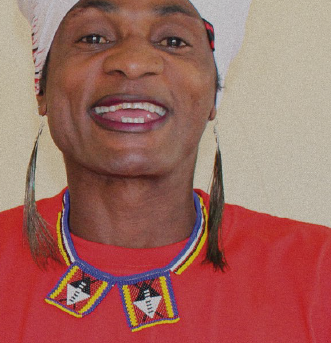
Dr Emma Fulu was engaged by United Nations agencies, alongside academics, governments, and sex worker community groups, to address gaps in knowledge about the links between sex work, violence, and HIV in Asia. The study, The Rights(s) Evidence: Sex Work, Violence and HIV in Asia, was a multi-country qualitative research project conducted in Indonesia, Myanmar, Nepal, and Sri Lanka. It explored female, male, and transgender sex workers’ experiences of violence, the factors influencing their vulnerability, and how violence relates to HIV risk. The research involved 123 peer-to-peer in-depth interviews with sex workers and 41 key informant interviews with police, service providers, and national AIDS authorities, using consistent methodologies across all sites to identify common trends and context-specific experiences.
The findings reveal that sex workers experience extreme physical, sexual, emotional, and economic violence in multiple settings — including workplaces, health care, custodial settings, neighbourhoods, and homes — which violates their fundamental human rights. Violence was most often perpetrated by police and clients, with police violence contributing to impunity and further vulnerability. Participants also reported harassment, discrimination, and abuse linked to harmful gender norms, patriarchy, and stigma, both within and outside their work environments.
The study highlights that realising the human rights and safety of sex workers requires recognising the intersecting social, legal, and structural factors that increase their risk of violence and HIV. It underscores the need for human rights-based interventions that address both gendered power dynamics and the systemic drivers of violence, while promoting legal protections, social support, and access to health services for all sex workers — female, male, and transgender — across the region.


The land we live and work on always was, and always will be, Aboriginal land. We pay our respects to the Traditional Custodians of Country throughout Australia and acknowledge the ongoing leadership role of Aboriginal & Torres Strait Islander communities in preventing violence against women. We also acknowledge Traditional Custodians of the lands where EQI works around the world.
Read MoreYou have been logged out.
"*" indicates required fields