Intersectionality
Infrastructural Intimacies: Erasure and Exposure in Gendered Violence


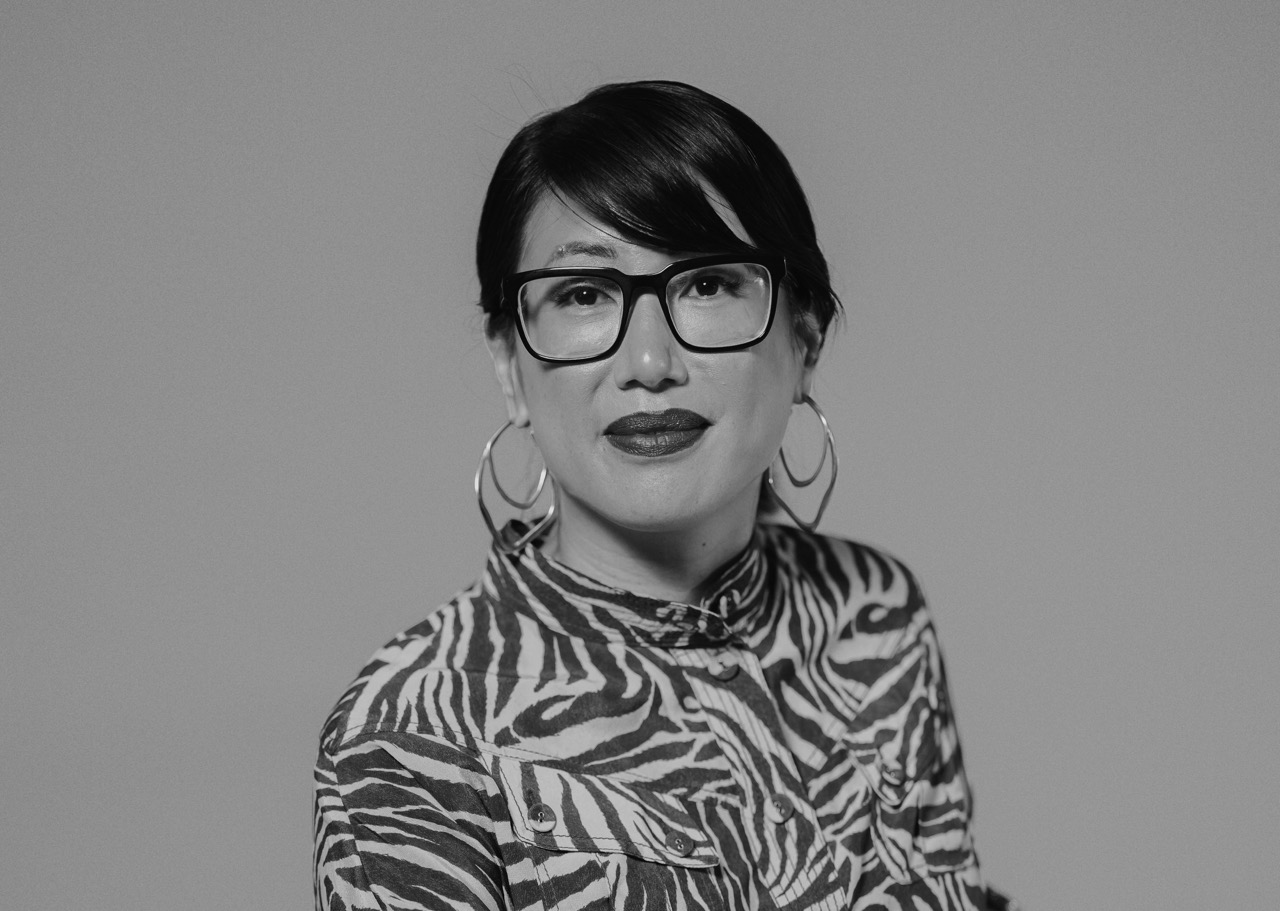
Dr. Stephanie Wescott is a feminist lecturer and researcher whose work sits at the intersection of education, sociology and gender studies, with a particular focus on schools as critical sites for both the reproduction and prevention of gender-based violence.
Internationally recognised for pioneering empirical research on the influence of the manosphere in schools, including co-authoring the first study globally to examine Andrew Tate’s influence in education settings, Stephanie’s research has informed policy and public debate nationally and internationally.
Her newly released book Schooling Misogyny: Exposing and Eliminating the Influence of the Manosphere in Education Settings, co-authored with Professor Steven Roberts, argues that manosphere ideologies, amplified by algorithms and galvanised by wider shifts towards the far-right and grievance-based politics, are contributing to misogynist radicalisation, increasingly surfacing in classrooms in boys’ hostility towards gender equality, sexist behaviours and strengthened commitments to the idea of ‘male supremacy.’
EQI: Congratulations to you and Steve on the publication of Schooling Misogyny! Between last years’ Netflix series Adolescence and this years’ Louis Theroux documentary The Manosphere, the theme of increasing misogyny among boys and men feels particularly of the moment.
Can you speak to the positives and negatives shows like these might’ve had or be having to your area of work?
STEPHANIE: I suppose one positive is that they ‘start’ a conversation about changes in men and boys’ online worlds, as well as ‘offline’ social and emotional landscapes and how these might pose challenges for everyone around them (and themselves). After each of those shows aired, we observed a huge spike in media engagement and online discourse, which means that more people are becoming literate on what the manosphere is, how it might be seeping into their lives, and what kinds of action they might need to take.
One negative related to Adolescence is that it highlighted the most extreme expression of violence we can imagine, and then almost invisibilises the victim (a teenage girl) entirely. What it then did was both crystallise and amplify existing fears about ‘what if my boy does this?’ rather than, ‘how can I protect the people around him?’ I felt it derailed the focus from the seemingly small ways misogyny is harming lots of different people every day, focusing instead on a catastrophic act perpetrated by one boy.
I have a lot of issues with the Theroux documentary, mostly around how standing passively while men express the vilest misogyny is a harm akin to being complicit. I received a lot of mansplaining feedback that this is Theroux’s ‘style’, which I already knew and mentioned in my review, and in fact I mentioned that this kind of posture, in this instance, failed to reveal what is normally exposed in Theroux’s style, which is something new, unfamiliar and otherwise concealed from view.
I also think the conversation by then was ready to move beyond what the manosphere is and needed to move to, what are we going to do? But we seem to keep needing to give the manosphere and its adherents the benefit of the doubt, which is a problem for me.
The reason teachers are on the frontline is because they embody the symbol of what the manosphere teaches young men to be disdainful of — educated women in positions of authority.
EQI: Despite these issues currently being somewhat in the cultural zeitgeist, your research on misogyny in schools predates much of the media that’s being created around the topic. You started out as a high school English teacher – can you share what led you from that work, to what you do now?
STEPHANIE: I was a secondary English teacher for 5 years, and experienced sexism, misogyny and sexual harassment in nearly every classroom I taught in, and in every single school. These are not new conditions for teachers, rather, they have been accelerated and amplified.
Research on sexism in schools was pretty advanced through the 80s, 90s and 2000s, with leading Australian scholars breaking radical new ground. Things went quiet in the 2000s, a silence I believe we can attribute to the policy reforms introduced through the Rudd-Gillard-Rudd Education Revolution — such as changes to NAPLAN and the establishment of the MySchool website, which created a whole new era of competition and pressure for schools to ensure student performance on narrow tests became a school selling point. Feminist researchers’ attention had to go there, because what was happening was so dangerous.
This research gap was on my mind when I began my post-PhD academic role at Monash, and it just so happened that this coincided with Andrew Tate’s ascension and popularity. I knew that his virality was going to be implicated in schools in all kinds of ways, and based on my experiences as a teacher, knew women were going to be on the frontline of whatever was happening. That’s when we designed the Andrew Tate in schools study that kicked off this ongoing research program.
In many ways, it’s the culmination of the disparate pieces of work I’ve been doing since I became a teacher over 10 years ago — a focus on feminist approaches to education, including on policy and how that shapes classroom experience, as well as equity and justice and violence prevention through the curriculum.
EQI: You are uncompromisingly feminist in your views and values, so – considering who is being most impacted by these issues – can you explain why it is important that this research focuses on men and boys specifically?
STEPHANIE: Our first research study had a focus on harms experienced by women teachers, and by extension, they also reflected on what they were observing girls experiencing in their classrooms, too. It was an opportunity to hear about their experiences of violence and ensure their stories were heard beyond their classrooms, and since then, we have been agitating for justice and acknowledgement of harm.
But the question around the focus of prevention efforts on men and boys is a good one and it’s one I struggle with. How I see it, is that anyone working to prevent men and boys’ violence is actually working in service of women and children. If we can address the causes of the harm and stop it from being perpetrated, the natural beneficiaries of that will be women, girls and children. But, I do think we need to focus on the experiences of girls and women in this work and especially on the new wave of manosphere-related harms, because the emphasis is at the moment, I think, erring a little too far towards ‘himpathy’ and not enough towards accountability. For example, we should not accept an argument about adolescent uncertainty or ‘confusion’ about the state of the world as a rationale for consuming deeply misogynistic manosphere content.
EQI: In response to the view that proliferating misogyny and manosphere influences actually stem from issues such as boys not feeling heard, finding their place in society, having an outlet for their emotions, or access to positive good male role models, you, Steve and fellow researcher Karen Whybro wrote in a Substack entry called The problem of selective feminism: Why we need more than wellbeing interventions to prevent misogyny and gender-based violence:
“What is at risk in the current framing is a subtle reversal. Men’s psychic wounds begin to appear not as an effect of patriarchal socialisation, but as its underlying cause, as though the system is sustained because boys were first required to shut something down inside themselves.”
Can you explain these two opposing perspectives, and what can happen if we, as a society, shift the primary focus of gender equality to fixing men and boys’ pain?
STEPHANIE: The question captures a significant tension in contemporary debates about misogyny and gender-based violence prevention.
One perspective argues that misogyny emerges because boys and men are struggling: they feel unheard, disconnected, uncertain about their place in society and lack positive pathways for identity and belonging. From this view, misogynistic attitudes are interpreted primarily as symptoms of underlying pain, alienation or unmet emotional needs.
The alternative perspective, reflected in our work, is that while some boys and men may indeed experience loneliness, anxiety or social dislocation, these experiences do not automatically produce misogyny. Most people who experience hardship do not become sexist, abusive or violent. Misogyny is better understood as a social and political response to these experiences, one that is learned, reinforced and, importantly, I think, rewarded within broader systems of gendered power. It is not simply an emotional state; it is a belief system and a set of practices that position women as responsible for men’s grievances and as legitimate targets for control, hostility or punishment.
In our work, we argue that framing misogyny primarily as a wellbeing issue risks obscuring the role of power, entitlement and inequality. The risk of making boys’ pain the primary explanatory framework is that it can unintentionally reposition gender inequality as a problem of male suffering rather than a problem of unequal power relations. When this happens, misogyny becomes something to empathise with rather than something to challenge. Prevention efforts can become focused on making boys feel better, rather than addressing the social norms, institutional practices and cultural narratives that legitimise sexism and violence. We think this is a dangerous shift that requires urgent and sustained refocussing.
We know it’s a global problem, and in many ways, schools can take comfort in that — they are not diagnosing a problem that they were directly complicit in creating, but they do have a role in whether it is enabled or not.
EQI: What are the conditions inflaming misogynistic attitudes and behaviours among young people?
STEPHANIE: Primarily it is exposure, training and instruction in the adoption of a worldview that is pretty seductive. That worldview is a mix of grievance, victimhood, and instruction in the attainment of power and superiority. The reason teachers are on the frontline is because they embody the symbol of what the manosphere teaches young men to be disdainful of — educated women in positions of authority. Some young men accept, through manosphere exposure, that gender equity has stolen their ‘natural’, biological and rightful position as supreme, and a woman in a classroom, who expects them to do things they might not like, trust her intellect and authority and may represent the ‘liberal values’ they believe have destroyed the natural order of things, is the perfect projection.
And this is where improving young people’s critical digital literacy skills is fundamental. Asking questions like: who benefits from your outrage and anger? What motivates a creator to suggest these ideas to you? Does this actually reflect your reality? Are important starting points. But we have to do this before the saturation of online misogyny — equip them with the critical skills to navigate the space. An analogy I commonly use, is that we don’t always deny our children the use of things we know are potentially harmful (i.e. driving a car, riding a bike), but we don’t just put the potentially dangerous thing in their hands without education and preparation. I think digital tools require the same preparatory lead time.
EQI: Schooling Misogyny draws on interviews and testimonials from over 130 teachers – did you find over the course of gathering these accounts that the relevance of the manosphere in teachers’ experiences evolved or differed over time or between schools?
STEPHANIE: What’s fascinating is that the story was the same story, over and over again. Whether teachers were working in regional QLD, outer suburbs or inner-city ‘elite’ schools, they described remarkably consistent patterns of behaviour. The language boys used, the forms of degradation directed at women teachers, the references to online influencers, and the ways authority was challenged often followed the same scripts. Teachers who had never met one another, working in vastly different school contexts, recounted experiences that were almost interchangeable.
What also challenged some common assumptions was where teachers located the most serious behavioural issues. There is often a tendency to imagine that misogynistic behaviour is concentrated in particular schools or communities, attached to class-based assumptions, often. Yet many teachers reported that some of the most concerning incidents were occurring in schools that would traditionally be considered high-performing, affluent or academically successful. Misogyny was not confined to any one demographic group, school sector or postcode. Rather, it appeared as a phenomenon cutting across social, geographic and institutional boundaries.
We do say, though, that some students are more adept, by way of social capital or access to knowledge, at ‘code switching’ — or, knowing when it is okay to say something or to whom, and when it’s not. This is particularly sinister, because misogyny that is obscured by plausible deniability, or that is experienced only by the most disempowered teacher, can be challenging to confront.
Perhaps the most significant finding was that teachers overwhelmingly viewed these experiences not as isolated incidents but as part of a broader cultural shift. Across schools, sectors and states, many described feeling that misogyny had become increasingly normalised in everyday interactions. The consistency of these accounts suggested that what teachers were witnessing was not a collection of individual behaviour problems, but a larger social phenomenon playing out within schools
For example, teachers describe that all forms of sexism and violence, including sexual harassment and misogyny, are occurring more frequency and with a greater sense of impunity than ever before. They speak of a ‘then’ and ‘now’, that articulates that while sexism in education has always been an issue, it is now at a level of saturation that, for many, makes their work environment unhealthy and untenable. This could include things like the rejection of women’s experiences in subjects like English or Humanities, the degradation of women’s expertise, expressions of disdain towards feminism and gender equality, as well as more serious harms like sexualised behaviour, physical intimidation, the use of gendered slurs and gendered abuse.
We have heard thousands of examples of this behaviour over the course of this research, and only a handful of accounts of a firm school-level response and of improvement in conditions. It’s hard to imagine that this level of gendered abuse would be tolerated in any other workplace.
Conceptually and probably attitudinally, we don’t associate schools and classrooms as spaces where ‘violence prevention’ work can or should be done, and yet, research has established for decades that they are precisely the space where it should be happening.
EQI: What are schools doing right and what can they be doing better to address misogyny in classrooms?
STEPHANIE: It’s really a mix. Some schools are doing everything they can, and some are resistant to naming or confronting what is deeply harming their staff and students. We know it’s a global problem, and in many ways, schools can take comfort in that — they are not diagnosing a problem that they were directly complicit in creating, but they do have a role in whether it is enabled or not.
The best thing we can do is to use the tools, resourcing and expertise we already have, and that lies in whole-school Respectful Relationships Education, delivered by well supported and trained teachers and enthusiastically embraced by school leaders. RRE is evidence-based, it’s been around for a really long time, and the curriculum is already there. The evaluations tell us that it improves school climates, and that it has an impact on students’ attitudes and behaviours. Schools must be courageous in understanding their role in preventing violence and not couch their work in euphemistic language. Australia has a big problem with men’s violence, and school cultures can play a role in permitting the drivers of that violence, or in disrupting them. We have a chance to be really honest about this and really effective.
As well, it is crucial to confront this behaviour directly. Name it, call it out and capture it accurately on the school’s learning management system. Collect the data and use that data to understand how frequently this is happening and to whom. That will enable a school to create a response that is commensurate to the scope of the problem, and also avoids ineffective approaches like whole-year level assemblies where entire groups of students are condemned for behavior they might not all be perpetrating.
This work is difficult and it’s slow. It’s long-term change. It cannot be solved by a one-off intervention like a speaker or a workshop. That may result in a euphoric response from students, but it won’t change attitudes and behaviours in any meaningful way. It’s key for schools to be committed to the prevention of violence as their core business, just as it is any of their other human-centered goals and aspirations.
EQI: Can you tell us about this idea of education as primary prevention work?
STEPHANIE: Conceptually and probably attitudinally, we don’t associate schools and classrooms as spaces where ‘violence prevention’ work can or should be done, and yet, research has established for decades that they are precisely the space where it should be happening. Schools are identified in our National Plan as central to prevention work, Respectful Relationships was conceived as a violence prevention curriculum and has always been located in schools. I think we are just resistant to putting these two things alongside one another, because our view of what a school should do has become so devastatingly narrow.
Essentially, education is and can be primary prevention work because it has the capacity to challenge and undo each of the drivers of gendered violence both directly and indirectly. It can actively challenge gender inequality, provide opportunities to explore and challenge gender norms and harmful masculinity, refute the condoning of violence against women, and create safer and more expansive peer relations and cultures of masculinity. In schools, young people can see the modelling of healthy adult collegial relationships, have a safe and consistent place for support and care, and through a whole-school approach, experience an immersion in Respectful Relationships education that can change their perspective on relationships and violence.
Unfortunately, because we have seen a coordinated challenge to schools’ role in gender, sexuality and relationship work, the underresourcing of RRE and a lack of training availability and support in schools to drive a whole-school approach, we are currently not achieving anywhere near the transformation that is possible.
We are hoping that the government’s second National Plan (currently in consultation phase) will have a much greater emphasis on the transformation required in schools by the experts and professionals and that they will have a more significant place in the government’s efforts to end men’s violence.
I think taking a second to imagine what that might be like can activate us towards critical action. And action — thinking, feeling, changing, transforming, agitating — is hopeful. We need more agitators!
EQI: What can we – as a society, or at a family or community level – be doing to change these behaviours and ideologies?
STEPHANIE: The first thing we need to do is resist the temptation to treat these behaviours as isolated incidents or individual problems. Young people are learning ideas about gender, power and relationships from multiple sources simultaneously — social media, peer groups, entertainment, politics, family environments, and broader cultural messages. If we want to address these behaviours, we need to think beyond individual boys and consider the wider social conditions that make misogyny seem normal, acceptable or even desirable.
At a family level, this means creating spaces where young people can critically discuss what they are seeing online. Many parents feel overwhelmed by the speed at which digital cultures evolve, but young people need trusted adults who are willing to engage with these conversations rather than avoid them. Simply banning particular influencers or platforms is unlikely to be enough. We need to help young people develop the skills to recognise manipulation, understand how algorithms work, question claims about gender and power, and identify when content is designed to provoke outrage, fear or resentment for attention and profit.
Schools have a vital role to play, but they cannot carry the burden alone. Teachers frequently told us that they were being asked to solve problems that reflected much broader social dynamics. While schools can create cultures of respect, teach critical digital literacy and intervene when harmful behaviours occur, meaningful change also requires support from families, policymakers, technology companies, sporting organisations, community groups and the media. Prevention is most effective when the messages young people receive are consistent across the environments they move through every day (see the Ballarat Saturation Model – Respect Victoria).
Ultimately, the challenge is not simply changing individual attitudes. It is building cultures where equality, mutual respect, and care are treated as collective values rather than personal preferences. The teachers in our study were remarkably clear on this point: misogyny is not just a school problem, and it is not just an online problem. It is a social problem, and it is one that schools have historically reproduced and continue to do so, because we are often limited in our capacity to imagine otherwise. But for all of us, the whole community, now is the time for that imagining and that reckoning.
EQI: When you imagine a more equal world, what do you see?
STEPHANIE: Equality is really the ideal outcome of emancipation from anything and all that binds us and constricts us, makes us smaller, quieter, unseen, or limits us from reaching our potential and capacity. There are some groups of people in our social world who have never known constriction, and have walked through all spaces with ease, with respect, with a softening of any hard edges, and who could never conceive of what this kind of access requires of others, takes from others, or how it harms them. A more equal world is a more expansive and expanded one in every way — in gender, in sexuality, culture, race and faith — it is free from violence, oppression and marginalisation. I would love to see the planet and non-human beings captured in that world, too, as I see the abuse of land and animals as part of the failure of humans to extend empathy and care beyond themselves or what is known and familiar to them. Really, I think a more equal world is one that is attuned to human, animal and planetary flourishing as its central priority. What complicates this is quite obvious, but is typically driven by capitalism as a rationalising and organising framework for human existence. We can’t emancipate ourselves from just one element of the social system we live in and expect change to flow to the rest — it has to be complete and universal. I hesitate to finish with a message of ‘hope’ because I don’t want to be trite, but I think taking a second to imagine what that might be like can activate us towards critical action. And action — thinking, feeling, changing, transforming, agitating — is hopeful. We need more agitators!


The land we live and work on always was, and always will be, Aboriginal land. We pay our respects to the Traditional Custodians of Country throughout Australia and acknowledge the ongoing leadership role of Aboriginal & Torres Strait Islander communities in preventing violence against women. We also acknowledge Traditional Custodians of the lands where EQI works around the world.
Read MoreYou have been logged out.
"*" indicates required fields