Gender Equality
Prevention is Possible with Dr. Emma Fulu

Starlady joins Prevention is Possible, an EQI interview series exploring how the gender-based violence prevention movement has evolved, what we’ve learned along the way, and what needs to change to create a future free from violence.
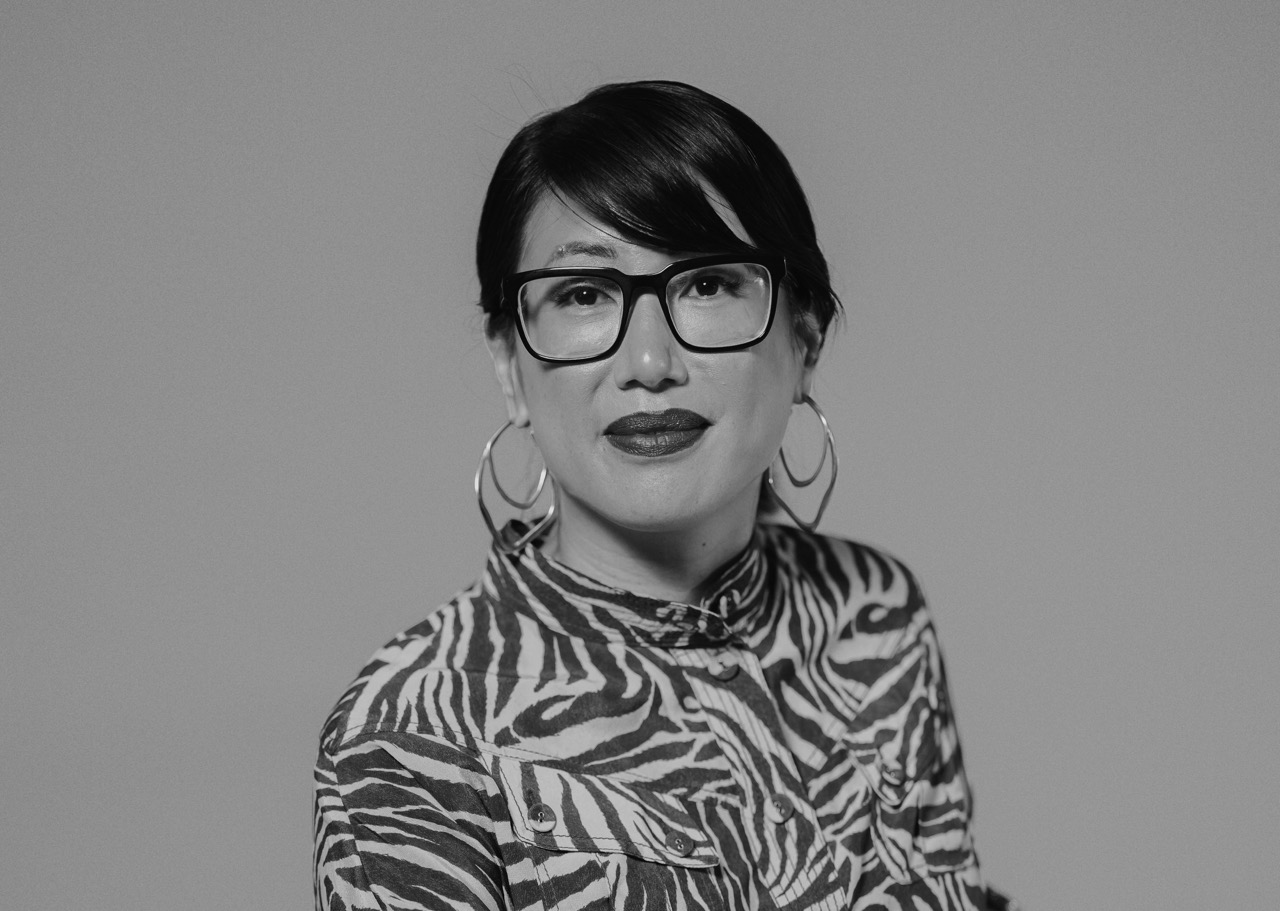
Starlady is a prominent Australian trans woman, artist, youth worker and social advocate, and CEO of the Zoe Belle Gender Collective.
For more than two decades, Starlady has worked alongside trans and gender-diverse communities, combining advocacy, community development, education and creative practice to challenge discrimination and create safer, more inclusive communities.
Her work focuses on improving healthcare access for trans and gender-diverse people, challenging transmisogyny, and addressing the intersecting forms of discrimination and violence experienced by trans women and transfeminine people.
Starlady also leads Transfemme, a violence prevention initiative developed by and for trans women and transfeminine people. The project works to address men’s violence against trans women and build greater understanding of the specific forms of gendered violence experienced by transfeminine communities.
Through her work with the Zoe Belle Gender Collective, Starlady continues to advocate for approaches that centre lived experience, community leadership and the voices of trans and gender-diverse people in efforts to prevent gender-based violence and advance gender equality.
EQI: Starlady, you’re one of only a small handful of practitioners working specifically in primary prevention with trans and gender diverse communities. What brought you into this work, and how has your understanding of prevention changed since you started?
STARLADY: Throughout my life I’ve experienced an incredible amount of gender-based violence. Sadly, this is not an uncommon experience amongst members of the trans and gender diverse community, especially for trans women and trans feminine people.
However, I’ve survived and thrived in our society through advocacy and a single-minded determination to seek justice for myself, my community and other communities disproportionately impacted by oppression and violence through change-making. Prevention work, contributing to a future that’s free from gender-based violence can be deeply healing and consistently gives me hope. I’m not saying that this work can’t be challenging, or hard to carry at times, but that there’s also strength to be drawn from the responsibility we all hold in creating a healthier, more respectful society.
For a long time, I felt like I was an outsider or an anomaly in the primary prevention sector. It’s not like there’s lots of trans women employed within it! It’s been incredibly challenging trying to forge a path of trans inclusion, demand accountability and at the same time be open, friendly and approachable. There are still very few opportunities for trans and gender diverse organisations or people to work in primary prevention despite the disproportionate levels of gender-based violence impacting our community.
Over time, I’ve come value the deep wisdom and innovative practice the trans and gender diverse community has to offer the prevention sector. Trans people and culture are inherently connected with movements challenging the gender binary, rigid gender stereotypes and dominant forms of masculinity. Simply to be ourselves and affirm our gender identity requires deep thought and exploration of gender. We deeply understand the drivers of violence, including transphobia and transmisogyny, and how they reinforce rigid gender norms and harm all people. Trans and gender diverse people want to be an inherent part of the movements to end gender-based violence, we just need to be given equitable resources and opportunities to participate and lead.
EQI: What does genuinely trans-inclusive primary prevention look like in practice, beyond simply adding trans and gender diverse people to existing frameworks or campaigns?
STARLADY: Trans-inclusion in primary prevention needs to begin with the acknowledgement of the historic and ongoing injustice and harm that has come from the exclusion of trans and gender diverse communities from this work. The whole family violence system from prevention to response has mostly been built to address cisgender men’s violence against cisgender women. It can be challenging to hold both the incredible work and advocacy that’s been achieved in preventing violence against women and children whilst also acknowledging the harm to communities who may have been left behind.
For healing, justice, and to ensure good practice, the prevention sector and practitioners need to develop authentic and meaningful relationships with trans and gender diverse organisations and communities. This requires an investment of resources, time, and an openness to understand that we might be mistrustful for valid reasons. When I’m working with people, I want them to be able to examine imbalances of power, to acknowledge how it operates between people and oranisations, and come up with strategies to redistribute that power or work towards equitable relationships. Don’t just extract from trans and gender diverse communities, reflect upon what you are giving back.
When I interviewed men from the Transfemme project who were largely respectful towards trans women and considered themselves allies, they all had one thing in common. Someone in their lives who they respected had sat them down as young men and explicitly had conversations about respectful relationships with people regardless of their gender.
EQI: The Zoe Belle Gender Collective’s project, Transfemme, focuses on promoting healthier relationships between trans women and trans feminine people and cisgender men. What led to the creation of the project?
STARLADY: I was living in Alice Springs, newly identifying as a trans woman and overwhelmed the by the levels of objectification, fetishisation, and sexual violence I was experiencing from cisgender men. At the time I felt that there weren’t any support services or information for trans women who date men.
I felt incredibly isolated and hurt that trans women had been left behind in the movements that address gendered violence. It felt like our lives didn’t really matter, that people thought we didn’t deserve the same protections or supports as cisgender women.
Luckily, another trans woman with more experience than me was there to provide care and solidarity. We’d spend hours in her lounge dreaming of creating better supports for trans women. That vision drove us both for many years to continue to advocate for systemic change until finally the team at Rainbow Health Australia offered us the seed funding to kickstart our work on the Transfemme campaign.
EQI: Prevention work often focuses on changing the behaviour of individual men. How can families, friends, communities and broader social systems either reinforce or challenge violence against trans women?
STARLADY: When I interviewed men from the Transfemme project who were largely respectful towards trans women and considered themselves allies, they all had one thing in common. Someone in their lives who they respected had sat them down as young men and explicitly had conversations about respectful relationships with people regardless of their gender. The conversations often sounded like, “My parents told me that it didn’t matter whether I had relationships with women, men or trans and gender diverse people. They said what matters is that we love each other and that our relationship is healthy and respectful.”
What was very clear in the Transfemme consultation was when men’s family, friends and community supported their relationships with trans women that those relationships were much more likely to be healthy and long lasting. However, when men’s family, friends and community shamed them or pressured them to leave relationships with trans women then those relationships were much more likely to break down, be unhealthy or for him to use violence.
Talk to the young people in your life and encourage others to do so. Support conversations about diverse sexualities and genders, be that person who models healthy and respectful relations regardless of gender. Talk to the men in your life about how you respect all women, including trans women.
Men’s sexuality is much more diverse than we currently understand. Dominant forms of masculinity in our society reinforce harmful narratives that the only way to be a man is to be heterosexual and exclusively have relationships with cisgender women. We all have a responsibility to challenge these narratives and to help end violence against trans women.
EQI: What is one thing someone reading this can do to help create safer and more respectful communities for trans and gender diverse people?
STARLADY: There’s so much negative rhetoric in the media and in the public conversation about trans and gender diverse people now. It’s vital that we consciously bring conversations about supporting trans and gender diverse people into all aspects of our lives – whether that’s our families, workplaces, sporting groups, or other social circles.
Learning how to challenge transphobia and transmisogyny when it arises in conversations can help reduce violence towards trans and gender diverse people. However, it’s good to remember it’s not rocket science, and you don’t need to be an expert to intervene. It might be as simple as avoiding agreeing or laughing when someone says something inappropriate, using clear body language to demonstrate your disapproval or redirecting or shutting down a conversation that’s harmful. A comment such as “We all deserve respect; I support trans and gender people” can go a long way. It’s always important to consider whether it’s safe or not to intervene and check in with trans and gender diverse people if you witness violence or abuse.
I think we need to understand that there’s invaluable knowledge and networks held within communities, especially communities who experience oppression. We are experts in resistance.
EQI: We’re seeing increasing political and cultural backlash against trans communities in Australia and internationally. How does that environment shape the conditions in which violence occurs, and what does it mean for primary prevention right now?
STARLADY: It’s important that we understand the connection between backlash against trans and gender diverse communities and backlash against gender equity more broadly. An example is deep connections between the attacks on bodily autonomy for women and trans and gender diverse people, such as access to gender affirming care or abortion rights. Transphobia and transmisogyny, as more socially acceptable forms of discrimination, are being weaponised to reinforce rigid gender norms and stereotypes that cause harm to all people.
It highlights the need for prevention of violence workforces to rapidly upskill in addressing transphobia and transmisogyny, and that women’s organisations and trans and gender diverse organisations build movements of solidarity.
Practitioners also need to reflect upon intersectionality, as being trans and gender diverse may only be one aspect of a person’s identity or experience in the world. To address transphobia, we equally need to address racism, colonialism, ableism and other forms of discrimination. People who are trying to oppress others often try to drive wedges between communities who experience oppression. To address this, we must consciously work towards solidarity and understanding one another.
All these forms of discrimination and backlash are driving further violence towards trans and gender diverse communities, whether that’s experiences of interpersonal discrimination, street-based violence, sexual assault or harassment, or family violence. People hear these harmful narratives and feel emboldened to enact harm or use violence. The real-world impacts this violence can have on our community is devastating, but we have the right to be safe and treated with respect like any other people in our communities.
EQI: Trans and gender-diverse communities have often had to create their own systems of care, safety and support. What can the broader prevention sector learn from that?
STARLADY: I think we need to understand that there’s invaluable knowledge and networks held within communities, especially communities who experience oppression. We are experts in resistance. The prevention of violence sector could be strengthened through partnerships with these communities and by resourcing them. Sometimes our prevention work can be siloed and disconnected, but, if we’re to be effective, then connecting across these networks is vital.
I also want to challenge the bias in our sector that privileges academic evidence and literature, or people with degrees, over community-based knowledge and lived experience. It was a collective of trans women and trans feminine people who developed the Transfemme prevention campaign and the resources for practitioners to respond. We’ve created so many world-leading resources but are often undervalued, under-resourced and not shown the professional respect given to some of our colleagues. But our campaign didn’t stop when the funding did, because it’s ours and we won’t be silenced. We understand our community’s experiences of violence and know how to reach and talk to them in ways that many ‘professionals’ or ‘experts’ fail to understand or value.
EQI: There aren’t many opportunities for practitioners to learn specifically about trans-inclusive primary prevention, so a lot of that learning happens on the job. What impact do you think that has on practitioners and trans and gender diverse communities?
STARLADY: There needs to be a shift in our educational institutes to move away from heteronormative frameworks in family violence prevention and response. These outdated models are contributing to trans and gender diverse people experiencing harm, and the prevention workforce feeling ill prepared to ensure their work is intersectional.
It contributes to a workforce who might be resistant to addressing violence against trans and gender diverse people or be unsure whether it’s appropriate for them to do this work, if they don’t identify as part of the trans and gender diverse community, when in fact it should be a core part of their work.
Changing With Pride, the first national framework to prevent violence against LGBTIQA+ people, is about to be launched. I’m very excited! It should be standard practice to learn about addressing violence towards LGBTIQA+ people and be skilled in including it within your work. Homophobia and transphobia drive violence and reinforce rigid gender norms that harm all people. Unless we address these forms of violence, we will not be able to end violence against women and children.
Why would any community who experiences oppression trust people working in the systems that have excluded them unless they invest in developing meaningful and authentic relationships.
EQI: Where do you see joy, connection and community belonging fitting into violence prevention?
STARLADY: On the Transfemme project the connection between all the trans women involved has been pivotal to its success. Whenever we deliver a presentation, or participate in an internal team workshop, we finish through sharing a meal and allowing time for social connections. These moments can build trust, allow time for meaningful debriefing, facilitate healing, and offer informal space for conflict resolution or address misunderstanding. The work can be so heavy at times, creating space for joy is essential in ensuring the sustainability of prevention initiatives.
In my team, there’s a conscious effort made to minimise the professional lines between people employed through the ZBGC and community members. Why would any community who experiences oppression trust people working in the systems that have excluded them unless they invest in developing meaningful and authentic relationships.
Community supports us to be accountable and to be grounded in our work. I heavily rely upon those connections as they often offer incredible wisdom and hold me at times when I might be struggling.


The land we live and work on always was, and always will be, Aboriginal land. We pay our respects to the Traditional Custodians of Country throughout Australia and acknowledge the ongoing leadership role of Aboriginal & Torres Strait Islander communities in preventing violence against women. We also acknowledge Traditional Custodians of the lands where EQI works around the world.
Read MoreYou have been logged out.
"*" indicates required fields